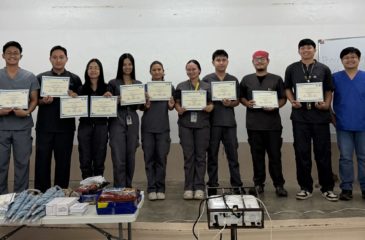
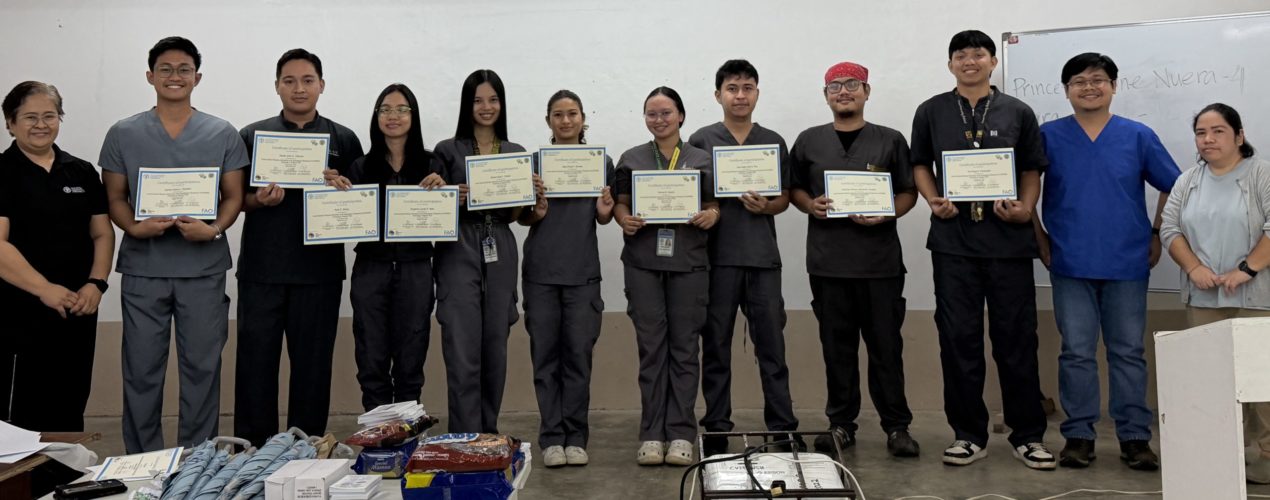


Date: March 29, 2026 | Writer: Dr. Harvie P. Portugaliza
The Faculty of Veterinary Medicine (FVM) of Visayas State University (VSU) served as a key institutional partner in the successful conduct of the Local Animal Disease Detection and Emergency Response (LADDER) Training held on February 10–13, 2026, in L’Asuncion Hotel and FVM-VSU, Baybay City, Leyte.
Co-organized by the FVM-VSU, Department of Agriculture Regional Field Office VIII (DA-RFO VIII), and Food and Agriculture Organization – Emergency Centre for Transboundary Animal Diseases (FAO-ECTAD), the four-day training brought together veterinarians, animal health personnel, and veterinary students to strengthen local and regional capacities in animal disease surveillance, diagnosis, and emergency response.
A major highlight of the training was the conduct of hands-on wet laboratory sessions hosted and facilitated by VSU-FVM, reinforcing the university’s role as an official partner and as a hub for veterinary training and applied animal health sciences. These practical sessions focused on necropsy procedures, sample collection, packaging, and diagnostic workflows, equipping participants with critical, field-ready competencies for outbreak investigation and response.
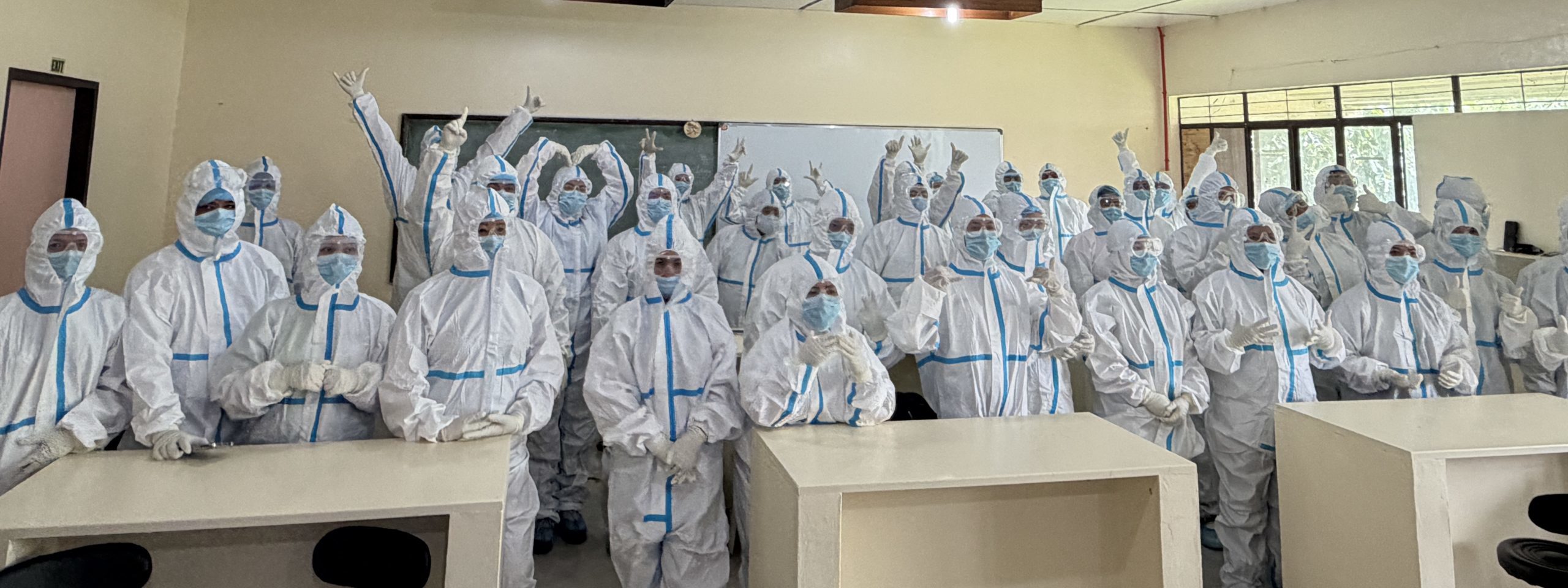
On Day 4 of the program, FVM-VSU led the wet laboratory demonstrations, particularly the sample collection and necropsy, serving as a culminating activity that integrated lecture-based and simulation learning. The sessions were facilitated by key resource persons from FVM-VSU: Dr. Harvie P. Portugaliza, Dr. Jane P. Dautil, and Dr. Camille R. Enriquez.
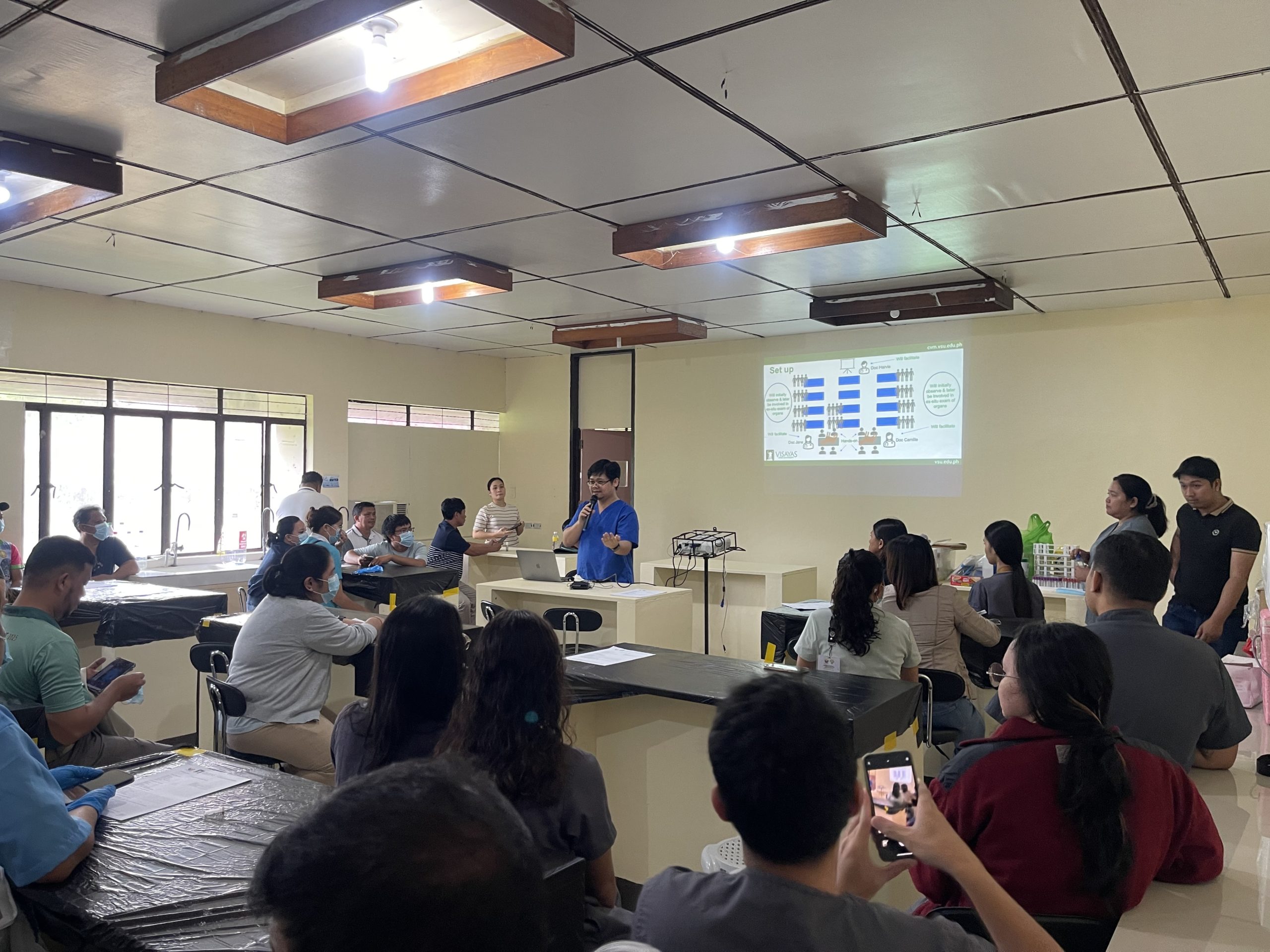
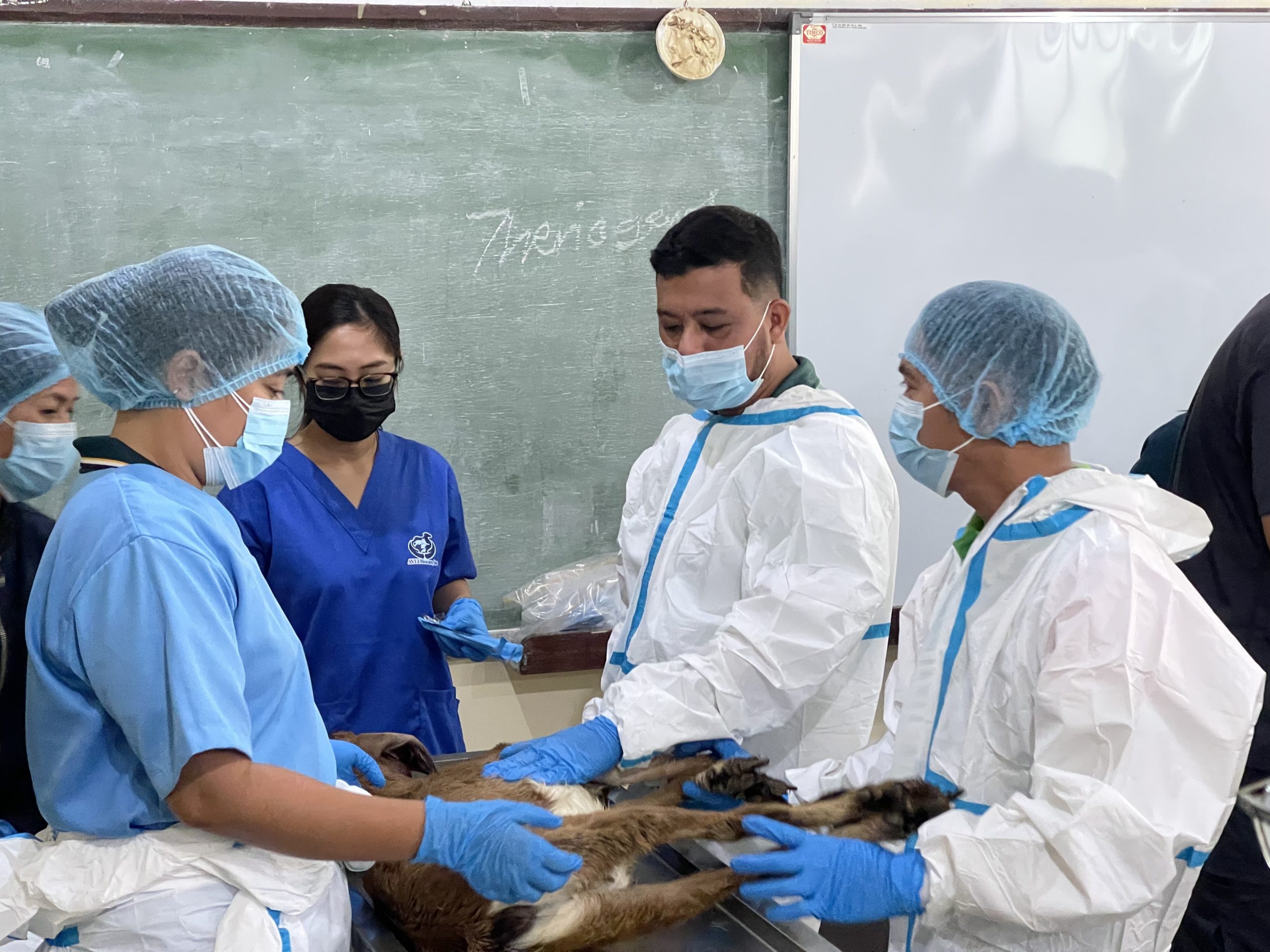
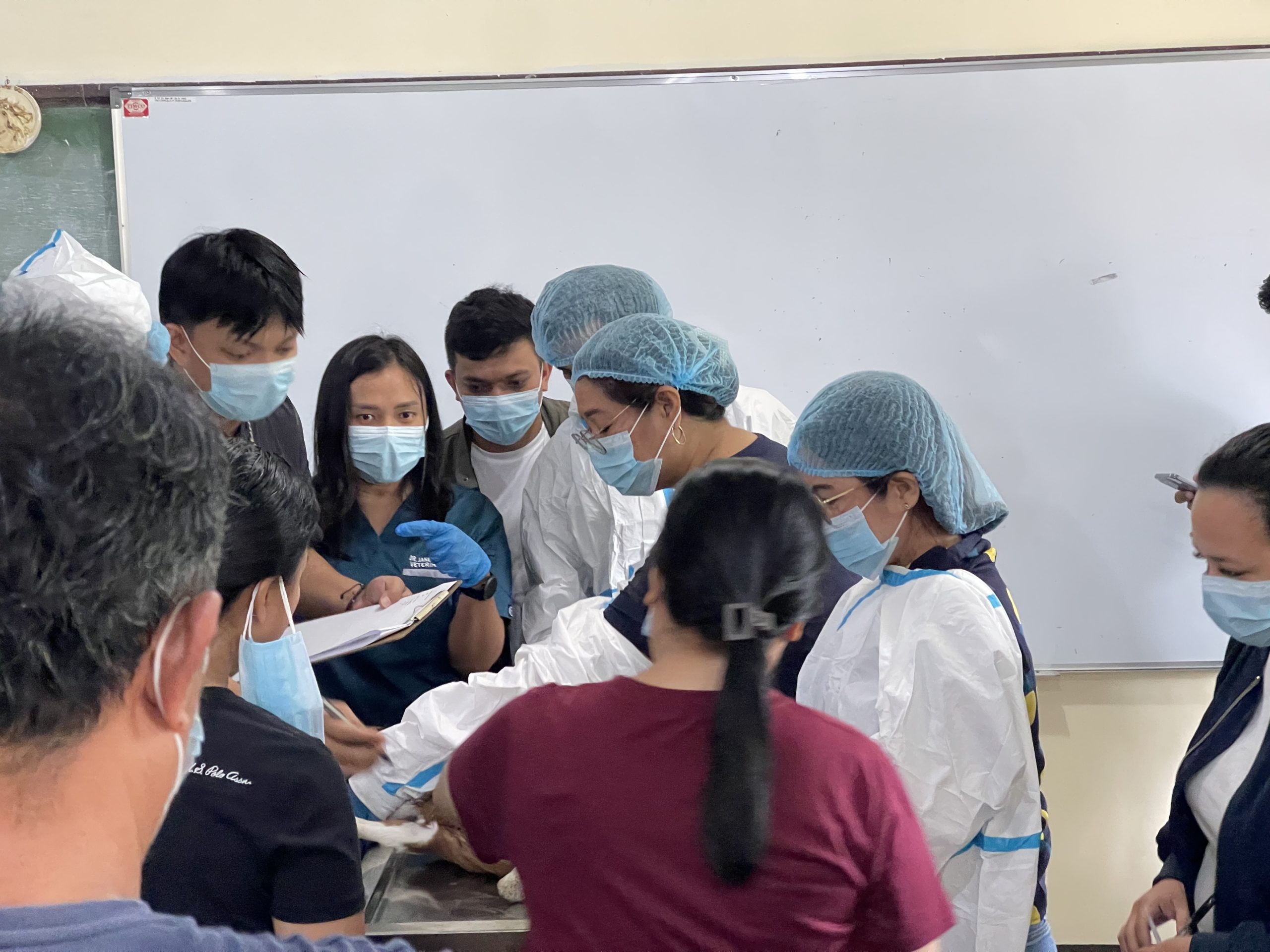


These experts provided technical instruction and shared practical insights from field and laboratory experiences, highlighting the critical contribution of academic institutions in strengthening frontline animal health capacities.
The LADDER training featured a comprehensive program covering risk analysis, disease surveillance, outbreak investigation, laboratory diagnostics, and animal disease reporting systems, complemented by simulation exercises and inter-agency coordination activities.
Through its active engagement and leadership in the wet laboratory component, VSU-FVM reaffirmed its role as a strategic partner in advancing veterinary public health, enhancing biosurveillance systems, and supporting national and regional efforts in animal disease preparedness and response.
[This article aligns with Sustainable Development Goal (SDG) No. 3 – Good Health and Well-being, SGD No. 4 – Quality Education, and SDG No. 17 – Partnerships for the Goals]